
What is HR Compliance?
Synonyms (and phrases used by other companies): HR legal compliance, labour law compliance, workplace compliance, HR policy compliance…
What Is HR Compliance and Why It’s Not Just Bureaucracy?
When someone says HR Compliance, most people immediately think of boring rulebooks, contracts, procedures, consents, records, and those sentences that start with: “In accordance with Article…”
At first glance, HR Compliance really does look like the (boring) side of HR that ruins the fun:
- Someone wants to hire a person quickly, HR asks: “Do we have a job description?”
- Someone wants to dismiss an employee, HR asks: “Do we have documented reasons?”
- Someone wants to send a candidate’s CV to a manager via a message, HR asks: “Are we allowed to share data that way?”
So the false impression forms that HR Compliance is just bureaucracy – there to “slow down” processes and annoy management.
But it isn’t.
HR Compliance is a system that ensures a company works with people lawfully, fairly, consistently, and responsibly.
In other words, it’s a system that prevents decisions about people from depending on someone’s mood, improvisation, personal impression, or the phrase: “Well, that’s just how we’ve always done it.“
And that phrase is often the beginning of (serious) problems.
HR Compliance Is There So People Aren’t Managed “Off the Books”
Imagine traffic without rules.
Someone drives fast because “they know what they’re doing.”
Someone runs a red light because “there’s nobody around.”
Someone parks wherever they want because “it’s just five minutes.”
Someone doesn’t wear a seatbelt because “nothing has ever happened.”
And sure, maybe nothing happens for a long time.
But when it does, everyone suddenly remembers the rules.
HR Compliance works on a similar principle. When everything is calm, it looks like overkill. But when a problem arises – an inspection, a lawsuit, a dismissal, a discrimination complaint, workplace harassment, a workplace injury, a data breach, a conflict with an employee – that’s when you see whether the company had a system or just a “habit.”
But What Exactly Does HR Compliance Mean?
HR Compliance means a company aligns its HR practices with laws, internal rules, ethical standards, and sound business practices.
This includes: hiring, contracts, working hours, leave, salaries, data protection, occupational health and safety, prevention of discrimination and harassment, disciplinary procedures, terminations, records, and the way managers make decisions about people.
(In the Serbian context, the Labour Law defines the rights and obligations of employees and employers, stipulates that an employment contract must be concluded before work begins, and that contract terms cannot be less favourable than those prescribed by law.)
Let’s try to translate that into everyday language.
HR Compliance means a company cannot (or at least shouldn’t) say:
“Just start on Monday, we’ll sort the paperwork later.”
“Everyone stays late, so you should too.”
“We won’t log the overtime just yet.”
“Send me that candidate’s CV on Viber.”
“She probably won’t be able to take the job seriously if she’s planning a family.”
“I don’t like how he thinks – let’s find a way to let him go.”
“That’s not harassment, the manager is just a bit tough.”
“We don’t have it in writing, but we all know what happened.”
These aren’t just “small HR things.” They are all potential risks. Of course, “workarounds” and “flexibility” exist to save time and stay agile – but one should always be aware that these risks are hovering in the background.

Example 1: Hiring Isn’t Just “I Like This Candidate”
Hiring is one of the first areas where HR Compliance becomes important.
People often think that choosing a candidate is entirely a free choice – the company picks whoever it wants, end of story (and unfortunately, many companies operate under this flawed assumption). Of course, the company chooses the candidate – but the way it chooses must not be discriminatory, arbitrary, or based on personal bias.
For example:
If a manager says: “Not him – he seems too old for the team.” That isn’t just a “personal impression.” That can be a problem.
If they say: “Not her – she’ll probably be on maternity leave soon.” That isn’t a business assessment. That’s a serious red flag.
If a job ad reads: “We’re looking for a young, attractive person for client-facing work.” That isn’t just a “style choice.” It can raise a discrimination issue – because criteria should be linked to the job, not to personal characteristics that aren’t a genuine requirement for the role (except in extremely rare and very specific circumstances).
(The Commissioner for the Protection of Equality in Serbia handles discrimination complaints and may issue an opinion and recommendation if discrimination is found.)
In plain terms: HR Compliance in hiring means a candidate should be assessed on whether they can do the job – not on whether they fit someone’s private image of an “ideal person.”
Example 2: A Contract Isn’t a Formality to “Sort Out Later”
One of the most dangerous phrases in business is:
“Just start working, we’ll finish the paperwork later.“
It can seem practical. The company is in a hurry. The candidate wants the job. The manager wants work to begin. Everyone means well.
But HR Compliance raises one simple question:
If everything is fine, why wasn’t it arranged before work started?
A contract isn’t just a piece of paper. It defines the basics: who is working, for whom, in what role, where, when they start, what the obligations are, what the salary is, what the working hours are, and what rights exist.
If you rent a flat, you want a contract. If you buy a car, you want documentation. If you take out a loan, everything gets signed.
But when a person gives their time, knowledge, and energy to a company – suddenly the contract is treated as a “formality.”
It isn’t a formality.
It’s the basic agreement.
Example 3: Working Hours Aren’t “Until We’re Done”
One of the most common grey areas in companies is working hours.
Of course, there are busy periods. There are deadlines. There are emergencies. No reasonable person thinks work always runs perfectly from 9 to 5.
But the problem arises when the exception becomes the rule.
“Just stay another hour.”
“Just this weekend.”
“Just until the project is done.”
“Just until we get through the quarter.”
“Just until the end of the year.”
And then “just” becomes the culture.
HR Compliance here doesn’t only ask: “Are people working?“
It also asks: “Are working hours being recorded? Are rest periods being respected? Is overtime being handled correctly? Do people know their rights?“
If an employee consistently works late and none of it is documented anywhere, the company isn’t managing people – it’s consuming them.
Example 4: Data Protection Isn’t Just an IT Department Topic
HR holds an enormous amount of personal data: CVs, national ID numbers, addresses, salaries, contracts, sick leave records, performance reviews, disciplinary notes, family member information, documents of candidates who were never even hired, and much more.
And then something very ordinary happens.
A manager writes: “Send me that candidate’s CV on Viber.”
And HR sends it.
At first glance – no big deal. But questions arise: is that a secure channel? Who has access? Is the CV deleted afterwards? Does the candidate know how their data is being used? Is there a legal basis for retaining that data?
(In Serbia, the relevant legislation is the Law on Personal Data Protection, adopted by the National Assembly in 2018, with the Commissioner for Information of Public Importance and Personal Data Protection as the competent authority.)
The bottom line: A CV is not a flyer. A salary is not gossip. Sick leave is not office small talk. Employees’ personal data is not material for informal forwarding.
HR Compliance in data protection means the company knows what data it collects, why it collects it, where it stores it, who sees it, and when it deletes it.
Example 5: Workplace Harassment Isn’t Just When Someone Shouts
One major misconception is that mistreatment at work is only recognisable when someone shouts, insults, or threatens.
But mistreatment often looks much quieter.
For example:
An employee is consistently excluded from important information.
A manager humiliates them in front of others “as a joke.”
They are given pointless tasks to pressure them into leaving.
They are ignored in meetings.
They are constantly criticised without clear reason.
Their targets are changed so they can never succeed.
They are told: “If you don’t like it, you know where the door is.”
HR Compliance here doesn’t mean every unpleasant situation is immediately harassment. Serious terms shouldn’t be trivialised. But it does mean the company must have a way to listen to complaints, investigate them, and take them seriously.
If the company says: “That’s just how that manager is – he’s a bit tough, but he delivers results” – then the company is essentially saying that results are worth more than people’s dignity.
And that always comes back – through turnover, distrust, sick leave, passive resistance, or legal risk.
Example 6: Termination Isn’t a Message Saying “Don’t Come In Tomorrow”
Termination is one of the areas where it becomes clearest whether a company has HR Compliance – or just power.
Bad practice looks like this:
A manager tells HR: “I can’t work with him anymore. Tell him not to come in tomorrow.”
And then everyone scrambles to find paperwork that will justify a decision that has already been made.
That’s the wrong order.
HR Compliance asks:
- What exactly happened?
- Is there evidence?
- Was the employee previously warned?
- Were expectations clear?
- Is the issue one of behaviour, performance, discipline, or organisational change?
- Is the decision proportionate?
- Has the procedure been followed?
(The official portal of the Republic of Serbia states that an employer may terminate an employment contract only in circumstances explicitly provided by law.)
In plain terms: If a company cannot calmly explain why it made a decision, the decision probably wasn’t well enough prepared.
HR Compliance doesn’t exist to protect poor performance. It exists so that both good and poor performance are handled fairly, clearly, and in a documented way.

Why Do People Think HR Compliance Is Bureaucracy?
Because they usually only see its most tedious part: paperwork.
They see the rulebook. The procedure. The forms. The signatures. The records. The consents. The confirmations.
They see the classic “you can’t do it that way.”
But they don’t see what that paperwork prevents.
They don’t see:
- the candidate who wasn’t discriminated against
- the employee who knows their rights
- the manager who is protected because they acted correctly
- the company that avoided a costly mistake
- the HR professional who can say: “The decision wasn’t made arbitrarily”
- the culture where rules don’t only apply to those without power
Good HR Compliance isn’t the accumulation of documents.
Good HR Compliance is the difference between:
“We do whatever comes to mind“
and
“We have a way that applies to everyone.“
HR Compliance Is There to Protect Both Employees and Managers
This is worth saying clearly: HR Compliance is not against managers, nor is it there to slow them down.
Quite the opposite.
Good compliance protects the manager:
- from their own impulsive decisions
- from saying the wrong thing in anger
- from dismissing someone without evidence
- from asking a question in an interview they’re not supposed to ask
- from unknowingly making a discriminatory decision
It also protects the employee from arbitrary treatment. It protects the candidate from unfair handling.
It protects HR from the role of “firefighter” constantly putting out fires someone else started.
It protects the company from legal, financial, and reputational risks.
The best HR Compliance doesn’t constantly say:
“You can’t.“
It more often says:
“You can – but the right way.“

What Does HR Compliance Look Like in a Normal Company?
Not every company needs a large legal department, complex systems, and hundreds of pages of procedures. But every serious company needs basic order.
That means:
- There is a defined hiring process
- It is clear who approves a job offer
- It is clear what may and may not be asked in an interview
- It is clear when the contract is signed
- It is clear how working hours are recorded
- It is clear who has access to employee data
- It is clear how to report a problem
- It is clear how conflicts are resolved
- It is clear how poor performance is documented
- It is clear how employment termination is handled
- It is clear when a lawyer or external expert is brought in
That isn’t excessive.
That’s organisational hygiene.
Just as you wouldn’t say: “Why would we clean the office when nobody has tripped over the rubbish yet?”
You also shouldn’t say: “Why would we sort out our HR processes when we haven’t had a problem yet?”
The Biggest Misconception: “We’re a Small Company, We Don’t Need This”
This is a common misconception.
Small companies often think HR Compliance is only for large organisations. But it’s precisely in small companies where one wrong move can cause an enormous problem.
In a large company, a bad procedure is a risk. In a small company, a bad procedure can be a crisis.
If you have five employees and one leaves in a serious conflict, that isn’t just “one case.” That’s 20% of your team.
If you have ten people and everyone knows that rules change depending on who is close to the owner, the culture is already damaged.
If you don’t have an HR department, that doesn’t mean you don’t have HR risks. It just means nobody is probably tracking them systematically.

BrankoS Insight: HR Compliance Is the Line Between Power and Responsibility
In every organisation, someone has power.
Someone decides:
- who gets hired
- who gets promoted
- who gets a raise
- who gets an opportunity
- who stays and who goes
HR Compliance asks one simple question: Is that power being used responsibly?
Without compliance, organisations often run on unwritten rules. And unwritten rules are best known by those who are already close to power.
That’s why HR Compliance isn’t just legal protection. It’s also a cultural signal.
It tells employees: “Here, not everything depends on someone’s whim.” It tells managers: “You have authority, but you also have responsibility.” It tells the company: “If you claim to respect people, show it through actions – not just values written on your website.”
What Documents Typically Make Up HR Compliance?
There is no single universal document list that applies identically to every company. The specific documentation depends on the size of the organisation, its industry, number of employees, working arrangements, and applicable regulations. In practice, however, HR Compliance most commonly covers the following document groups:
- Core employment documents (employment contracts and annexes, job descriptions, company rulebook/work regulations, job classification, employee file…)
- Recruitment and selection documents (hiring request, job advertisement, candidate selection criteria, evaluation form, interview form, candidate records, job offer…)
- Working time, leave, and payroll documents (working hours records, overtime records, overtime authorisations, annual leave decisions, payroll calculations, bonus policy, business travel records…)
- Employee and candidate data protection documents (employee data processing notice, candidate data processing notice, CV retention and deletion policy, data processor agreements, documentation retention policy…)
- Anti-discrimination, anti-harassment, and conduct documents (anti-discrimination policy, anti-harassment policy, code of conduct, ethics code, harassment/discrimination reporting procedure…)
- Occupational health and safety documents (risk assessment, health and safety training records, workplace injury records, medical examination documents, remote work policy…)
- Performance, discipline, and termination documents (employee objectives, performance review, employee warnings, evidence of misconduct where applicable, termination decision, termination letter, mutual termination agreement, exit interview record…)
- Onboarding and internal policy documents (onboarding checklist, employee handbook, remote work policy, IT and cybersecurity rules, communication guidelines, employee acknowledgement of policies…)
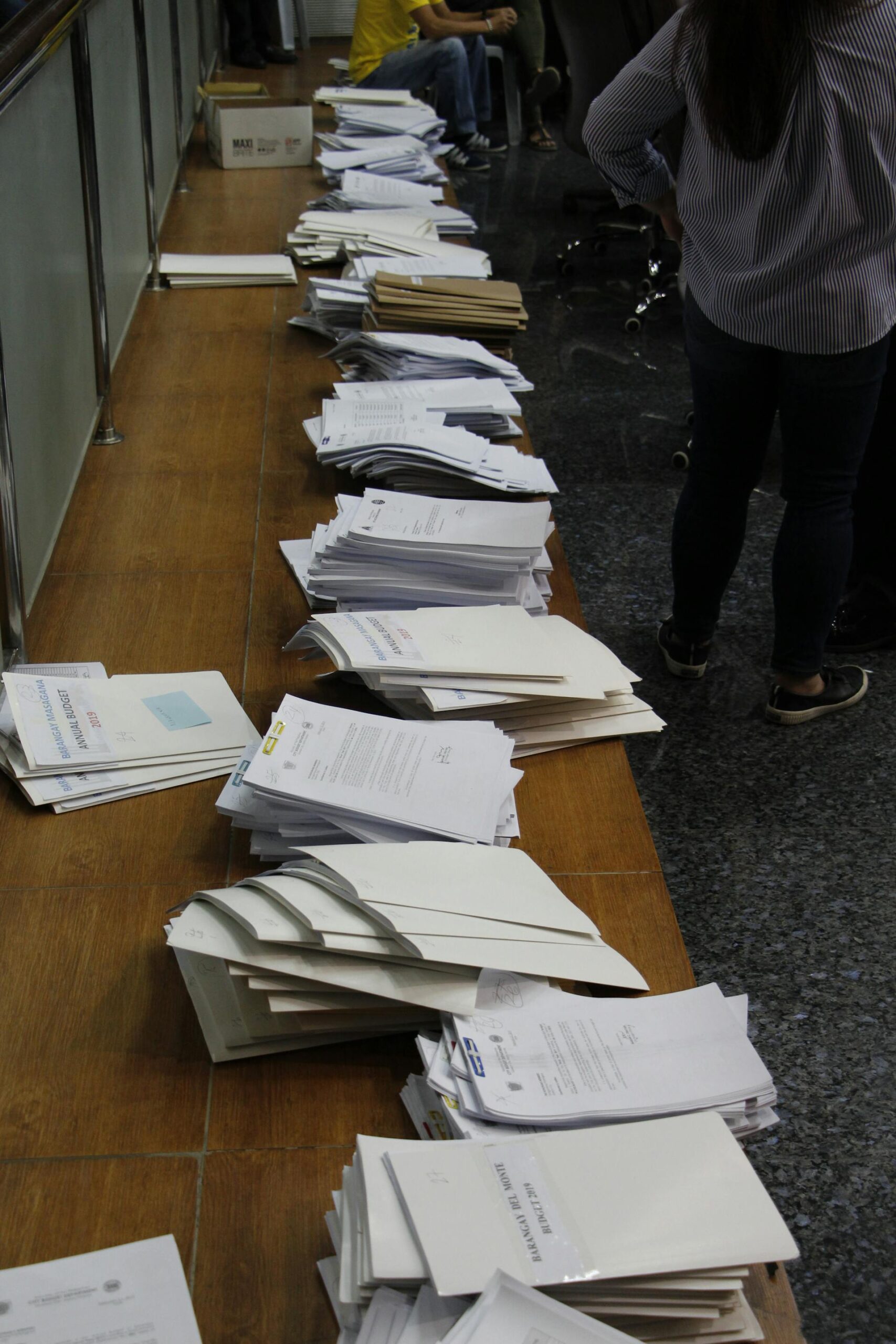
Instead of a Conclusion: HR Compliance Isn’t Bureaucracy – It’s the Backbone of Serious People Management
HR Compliance won’t build a great culture on its own.
It won’t automatically create trust.
It won’t fix poor management by itself.
It won’t turn a company into an ideal place to work.
But without it, everything else stands on shaky ground.
You can have beautiful employer branding – but if your interviews are discriminatory, you have a problem.
You can talk about trust – but if employees don’t know their rights, you have a problem.
You can speak about culture – but if harassment is ignored, you have a problem.
You can promote flexibility – but if working hours aren’t tracked, you have a problem.
You can say people are your greatest asset – but if their data is shared without controls, you have a problem.
That’s why HR Compliance isn’t “paperwork for the sake of paperwork.”
It’s how a company can say:
We know what we’re doing. We know why we’re doing it. We do it the same way for everyone. We can explain our decisions. We can document them. And we can stand behind them – not just in front of the law, but in front of people.
And that is far more than bureaucracy.
That is organisational maturity.

Disclaimer: This text is for informational purposes only and does not constitute legal advice for any specific situation.
Resources:
Zakon o radu Republike Srbije
For the purpose of this article, photos are used from www.pexels.com and are free for usage, but I will still mention the name of the creators: Yan Krukau, Edmond Dantes, Mikhail Nilov, Joachim Schnurle, Pixabay, Valentin Sarte and Pavel Danilyuk)


