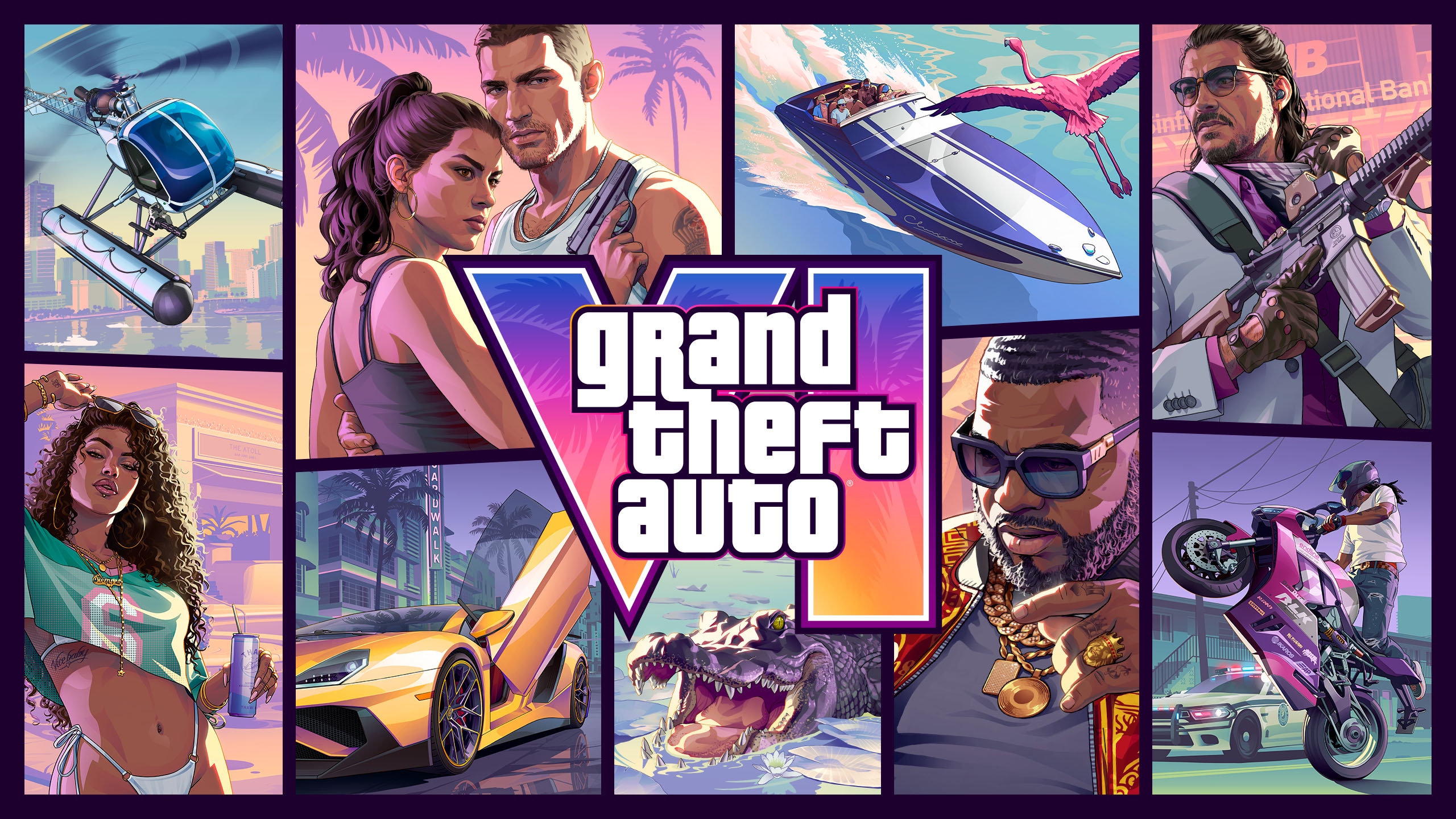
GTA VI May Not Change the World… But It Will Show How the World Is Changing Today
How a single video game could affect media, marketing, music, tourism, technology, work and the attention economy
For a long time, video games were seen as a clearly separate industry. Companies make them, players buy them, specialized media review them, and that, at least according to the traditional understanding of the market, should be the end of the story.
But in recent years, the story has been changing seriously. Big-budget productions, visual spectacles, famous musicians working on soundtracks. Fine, there are Skrillex, Imagine Dragons, Paul McCartney, Katy Perry, Ariana Grande… But did you know that as far back as 1999, the legendary David Bowie made music for the game Omikron: The Nomad Soul, in which he also appeared as a character? Then there are famous actors who have lent their voices, likeness or performances to video game characters: Mark Hamill, Samuel L. Jackson, Liam Neeson, Keanu Reeves, Norman Reedus, Mads Mikkelsen, Idris Elba, Rami Malek and others. And on top of all that, there are celebrities who have remained passionate video game fans as adults: Henry Cavill, Mila Kunis, Tom Holland, Post Malone, Brie Larson, Jamie Lee Curtis, Vin Diesel and others.
Suddenly, the traditional idea that video games are just “games” for kids and idlers is slowly fading. It is increasingly accepted that video games are part of an entertainment industry meant for all ages and that, when it comes to the legitimacy of a hobby, it makes little sense to draw a strict line between watching a football match, going to a concert, binge-watching a Netflix production or playing some fantasy RPG (or Clash Royale, or a fruit-collecting game… because Android…).
Can anyone really bang their fist on the table and show that the outdated view of video games no longer has a place?
Perhaps Grand Theft Auto VI (GTA VI) is exactly the product that will make the impossible happen.
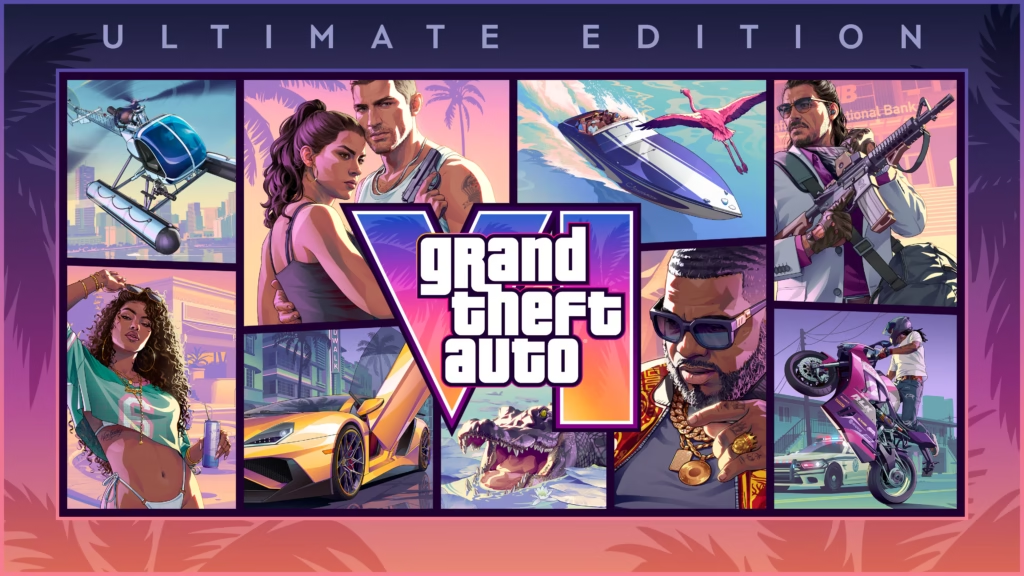
Rockstar Games is currently planning to release GTA VI on November 19, 2026, on PlayStation 5 and Xbox Series X|S. Someone might say: “So what, just another product.” However, the impact of this news is already visible “in the background”: other video game publishers are adjusting their business calendars (except for the bravest and craziest ones), investors are analyzing every signal from Rockstar and Take-Two, Netflix is showing an extended presentation of the game as an exclusive media event (when has that happened before?), while companies, tourism organizations, content creators and marketers are thinking about how to use (read: monetize) the attention GTA VI attracts.
The first trailer had more than 93 million views in 24 hours and set the then YouTube record for the biggest 24-hour debut of a non-music video. At first glance, this alone does not necessarily prove that GTA VI will change other industries (or even its own). Logically, a trailer view is not the same as buying the game, and mass curiosity is not the same as a long-term change in behavior. Just as a movie trailer is no guarantee of box-office success.
But it does show something else: GTA VI is no longer just a product of the gaming industry. It has become a global cultural event around which attention, expectations, time and business decisions are organized in advance. And if you are familiar with the previous GTA releases, you know this is a much more serious story.
That is why the real question is not just how many copies of GTA VI will be sold, and it will be a number that makes your head spin, rest assured.
The real question is: how far can the influence of a single product extend when millions of people simultaneously direct their attention, time and money toward it?
Hype Is Not the Same as Impact
Before we declare GTA VI the game of the year, decade or century that will change the IT and gaming industry, marketing, tourism, social media, music, the labor market and the way we live (this was not written without reason), we need to distinguish between hype and real impact.
Impact can be viewed through three dimensions:
- Reach: how many people, companies and industries does something touch?
- Depth: does it just attract attention, or does it actually change decisions and behavior?
- Duration: does the effect last a few days, a few months or several years?
GTA VI will almost certainly have enormous reach. The questions of depth and duration remain open until the game comes out, although estimates and the history of the series give reason to expect significant depth and serious duration.
Perhaps tens of millions of people will talk about the game for a few weeks and then move on to the next big topic. The films “The Odyssey” and “Spider-Man: Brand New Day” had a similar effect of mass attention. But it is also possible that GTA VI, if it later gets a separate online ecosystem, will remain a platform for consumption, creativity, social interaction and new business models for years. Such a development seems logical given the longevity of GTA Online, but Rockstar has not yet officially presented an online mode for GTA VI.
And that is exactly where its importance beyond gaming begins.
The First Wave: Gaming, Technology and Hardware I Can’t Afford
The most direct economic effect will, of course, be felt by the gaming industry… and by employers across various industries, but more on them later.
Besides sales of the game itself, GTA VI could drive spending on:
- new consoles;
- TVs and monitors;
- controllers and headsets;
- gaming subscriptions and related digital services;
- faster internet packages;
- AI tools;
- audio and graphics software;
- editing apps;
- guides, add-ons and other related digital services.
Of course, not all of these categories are equally directly linked to buying the game itself. Consoles, TVs, monitors, controllers and headsets belong to its direct consumer ecosystem, while AI tools, software and editing apps mainly concern content creators who will produce their own material around the game.
For part of the audience, GTA VI may be the reason to finally switch to the new generation of consoles. If you don’t convince your wife or your parents now that you need a new console, you never will. In that case, Rockstar is not selling just its own product. It indirectly increases demand for the entire technological ecosystem needed to use it.
This does not mean that every sale of a PlayStation, TV or controller in November will be the result of GTA VI’s release. Such a cause-and-effect link would be hard to prove precisely. However, major exclusive games have traditionally been one of the reasons users buy or switch platforms.
An even more tangible impact can be seen in the behavior of other publishers.
After the previous delay of GTA VI, competing companies began using the freed-up market space and adjusting the release dates of their own titles to avoid a direct clash with Rockstar’s title. Even Reuters reported that publishers rushed to occupy the space created by the game’s delay.
This is perhaps the first fully visible effect of GTA VI beyond the product itself:
The game hasn’t come out yet, but it is already affecting when other games will be released.
A dominant product doesn’t only change customer behavior. It changes competitors’ strategies, marketing budgets, campaign schedules and the financial plans of an entire industry.
When a Game Reveal Becomes a Television Premiere
The convergence of video games, film, television and streaming content has been going on for years. GTA VI accelerates it further… or at least makes it especially visible.
Rockstar’s 27-minute special “Grand Theft Auto VI: An Extended Look” premiered on Netflix before wider distribution, and Netflix described the reveal as a cultural moment and an example of ambitious storytelling that transcends the boundaries of the medium. So we are not talking about a documentary or a YouTube interview watched only by fans. We are talking about a standalone Netflix special.
The significance of this move is not just in the number of views.
Traditionally, a trailer is an advertisement that leads the audience to the main product. In the case of GTA VI, the advertisement itself became the content people come to the platform for. The audience does not try to skip it. It waits for its exact scheduled slot, analyzes every frame, produces reactions and continues the conversation for days. Just type “GTA VI trailer analysis” into YouTube and everything will be clear.
This changes the relationship between content and advertising.
For streaming platforms, games can become a source of exclusive premieres, documentaries, interviews and other programming. For gaming companies, platforms like Netflix offer access to an audience that does not regularly follow gaming media. For traditional media, major gaming titles become events that can no longer be confined to specialized sections.
GTA VI thus shows that media platforms no longer compete only with films, series or games. They compete with events that can instantly gather a global audience.

Marketing Challenges: How Do I Advertise While Everyone Is Looking the Other Way?
Every major cultural event temporarily changes the flow of attention. The World Cup does it, the Olympics, elections, the finale of a popular series, Tom Holland and Zendaya at the premieres of their films, reality show finales (thank God, not like in previous decades) and major tech events.
GTA VI could produce a similar effect within certain demographic groups.
This does not mean the whole world will stop following other content. Not everyone will play GTA VI, nor do all players belong to the same age, gender or consumer category. Still, brands that address audiences strongly interested in gaming, technology and internet culture will have to decide how to behave during the launch period.
They will have several options:
- to move their campaigns;
- to accept greater competition for attention;
- to join the conversation meaningfully;
- to collaborate with content creators;
- to try to adopt the language, aesthetics or humor of GTA culture.
The last option carries the greatest risk.
Gaming communities are often quick to recognize companies trying to “ride” a trend without a real understanding of the product and its audience. A brand that just throws in a few recognizable colors, a font, a car and a Vice City joke may attract glances, but it will not necessarily gain cultural credibility. We can probably already coin the term GTAxploitation, modeled on terms such as blaxploitation or Bruceploitation.
GTA VI can therefore serve as a test of the difference between relevance and opportunism.
Reach can be bought. Cultural relevance has to be earned.
The most successful marketing around the game will probably not be the one that interrupts the experience with an ad, but the one that gives the audience something it voluntarily wants to use, comment on or share.
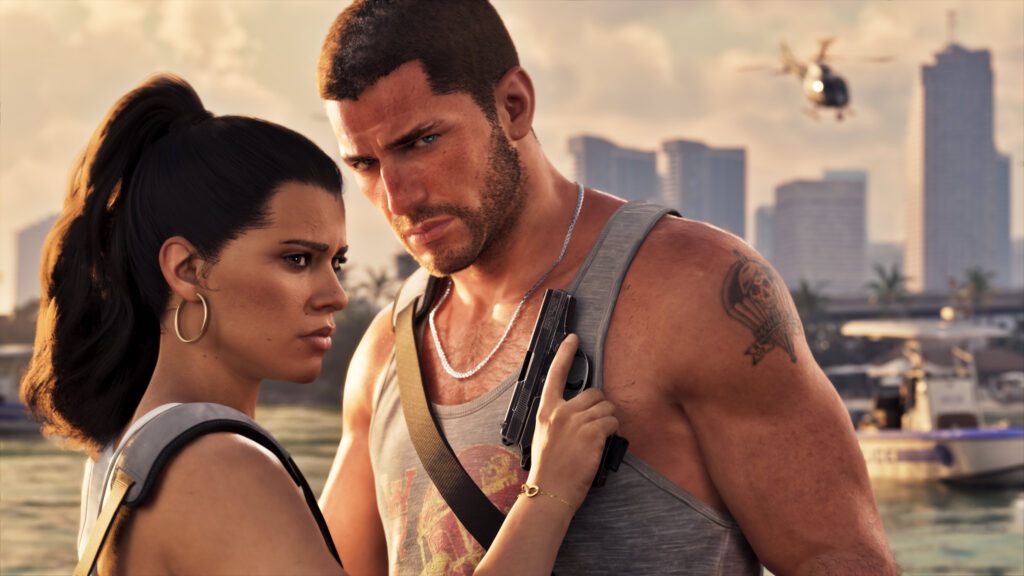
Music: When a Virtual Radio Station Becomes a Distribution Channel, or “Mom, I’m a DJ!”
The influence of the GTA series on the music industry has never been just a theoretical possibility.
Simply put, music in GTA games is not just background sound. Radio stations help define the period, the city, the social atmosphere and the characters’ identities. For a large number of players, they also represent a space for discovering artists and genres they might not otherwise listen to.
Rockstar went a step further in GTA Online. Exclusive Dr. Dre tracks were included in the story and missions of the DLC The Contract, and were then released outside the game on Spotify, Apple Music and other major services. Together with CircoLoco, the company also founded CircoLoco Records, a label project that connects gaming with the real club and electronic scene.
GTA VI could therefore:
- introduce lesser-known artists to a global audience;
- bring older songs back onto streaming charts;
- increase the value of certain music catalogs;
- launch new playlists and short video formats;
- link music premieres with in-game content;
- open new conversations about the value of music licenses.
However, “exposure” in a big game is not automatically equally beneficial to all artists. Questions of fee levels, rights to future use and the relationship between a one-off payment and long-term income remain open. That is why GTA VI is interesting not only as a potential music promoter, but also as an example of the imbalance of power between a huge platform and an individual creator.
Radio and MTV used to decide which songs would be discovered. Today that role is shared by streaming algorithms, social media, films, series… and, more recently, virtual worlds.
And let’s not forget that some previous GTA games on PC allowed players to add their own music and create a personalized radio station for full immersion.
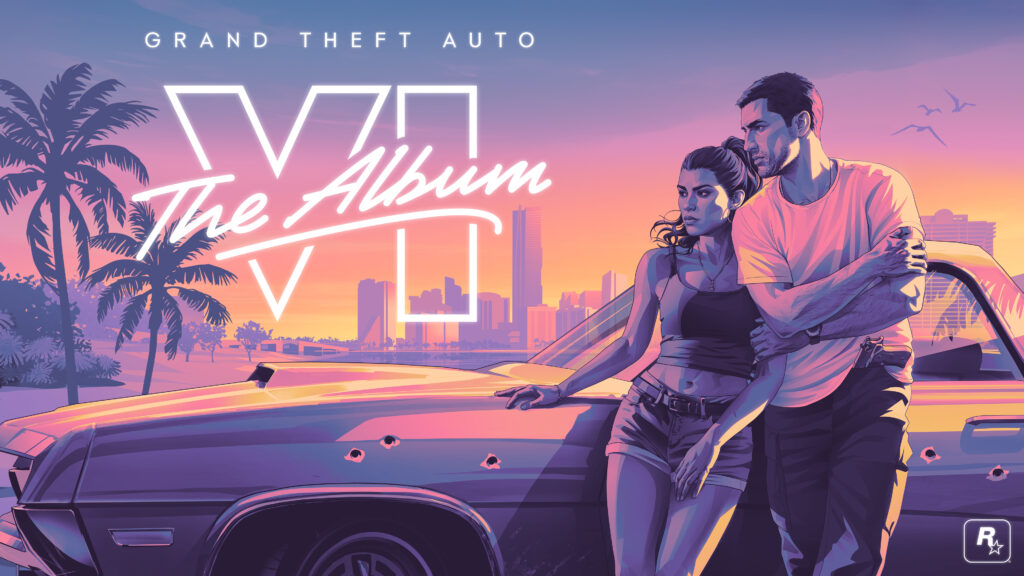
The Creator Economy: Who Will Make Money from GTA VI, or “Can I Get a Piece of It Too?”
Rockstar will sell the game, but it won’t be the only one creating economic value around it.
GTA VI will likely become a multi-year source of content for:
- streamers;
- YouTube creators;
- TikTok creators;
- role-play actors;
- modders;
- authors of guides and analyses;
- virtual photographers;
- video essayists;
- community and server administrators.
The last three groups related to modding, role-play and independent servers will, of course, depend on what features, rules and online infrastructure Rockstar may enable for GTA VI.
A practical example: the first GTA VI trailer didn’t become big only because of the views on Rockstar’s official channel. Every frame was turned into reactions, analyses, theories, comparisons and short video formats by other creators. One piece of original content became raw material for thousands of new pieces of content.
Rockstar’s acquisition of Cfx.re, the team behind the FiveM and RedM platforms, shows that the company understands the long-term value of community-created content. At the time of the acquisition, Rockstar specifically highlighted role-play servers and the ways in which players expanded the possibilities of GTA V and Red Dead Redemption 2. However, this is not yet confirmation that the same model will be applied to GTA VI.
This opens one of the important (and very interesting) business questions of the modern digital economy:
When users extend a product’s life for years with their stories, servers, characters and content, where does the company’s value end and the community’s value begin?
GTA has long ceased to be a game the audience simply finishes and puts away on a virtual shelf. For some users, it has become (and remained) a stage, a social space, an improvised TV series, a workplace and the basic material for building a personal brand.
This is also a major change in the role of the consumer of a digital product. They are no longer just a buyer. They become a promoter, performer, producer and unpaid or paid contributor to the ecosystem.

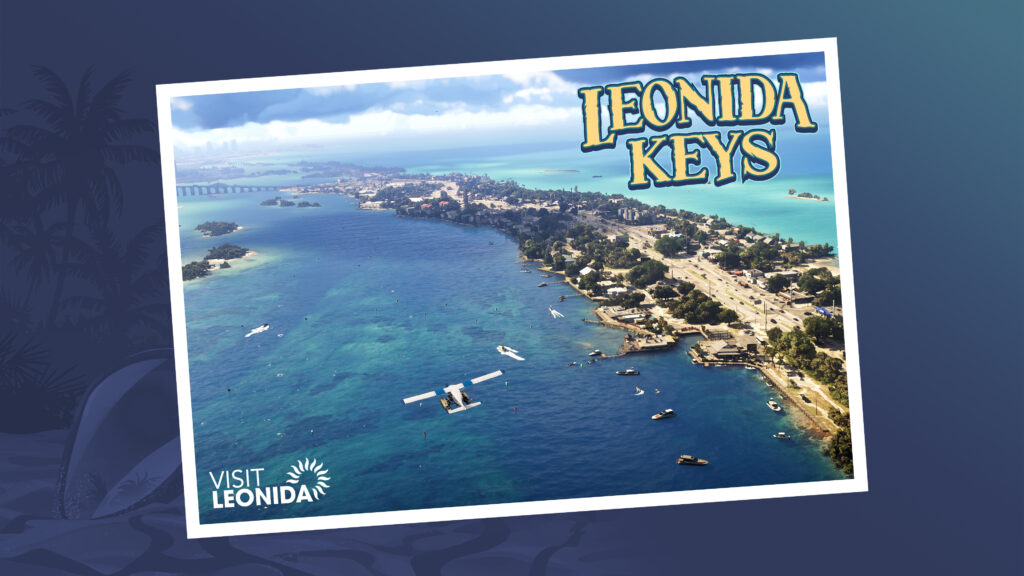
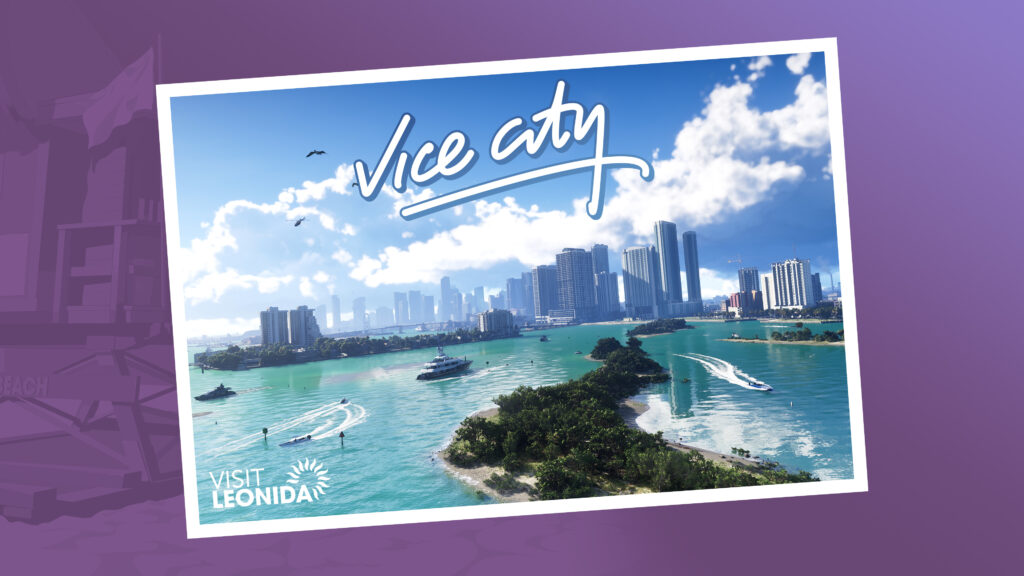
Can Vice City Advertise the Real Miami, or “Influence Tourism”
The influence of films and TV series on tourist destinations has long been known. People visit places they have come to know through stories, even when their portrayal is idealized or fictionalized.
Video games add a new dimension to this relationship.
A viewer spends a few hours watching a movie city. A player can spend tens or hundreds of hours exploring the virtual streets, coastline, nightlife and architecture of a space inspired by a real location.
Vice City is not Miami, just as Los Santos was not Los Angeles in the previous GTA iteration. Still, these cities use recognizable visual and cultural codes of their real-world models.
One study on GTA V concluded that the detailed version of Los Santos represents and promotes the landmarks, culture and atmosphere of Los Angeles, increasing the destination’s recognizability and players’ connection to it. This claim should nevertheless be treated as an indication rather than solid proof of tourism growth, especially until the peer-review status, sample and methodology of the study are verified. Broader research on video-game-induced tourism suggests that virtual spaces can influence the image of a real destination, emotional attachment to it and travel intention. That too is not the same as proof that a game has generated a certain number of new tourist visits, but it shows that a virtual city can influence the perception of a real destination.
In the case of GTA VI, there are also more concrete early signals. Representatives of Miami-Dade County considered a broader marketing collaboration with Rockstar that would link the real city and its surroundings with the game’s release, including potential promotional activities at the airport, on public transport and at other locations. By the time this text was finalized, an agreement worth just under one million dollars had been signed for placing a “Welcome to Vice City” sign on the roof of the Kaseya Center, while the originally envisioned broader campaign has not yet been fully agreed upon.
Possible tourism effects include:
- GTA-themed tours;
- comparisons of virtual and real locations;
- greater global visibility for Miami and Florida;
- use of Vice City aesthetics in promoting the city.
However, increased visibility is not the same as tourism growth. Travel decisions are influenced by prices, safety, flight availability, visas, season and numerous other factors.
The realistic claim, then, is not that GTA VI will cause a tourism boom.
The realistic claim is that cities increasingly have to think seriously about how they are represented in digital worlds they did not create and do not fully control.
Fashion, Cars and the Crossover of Digital Aesthetics into the Real World
Clothing, cars, hairstyles, tattoos and interiors are status symbols that occupy an important place in the GTA universe. The player chooses not only what to do, but also how their character will look and what they will own.
The link with real fashion already exists. GTA Online included products from the real brands Civilist and MISBHV, presented as clothing available in Los Santos.
It is therefore possible that the aesthetics of GTA VI will influence:
- smaller or larger fashion trends;
- limited collections;
- car and tuning culture;
- photography and music videos;
- the look of social media content;
- demand for products associated with Florida and Vice City aesthetics.
But here we need to be especially careful.
There is a big difference between a game’s aesthetic becoming visible on TikTok or in a few fashion collections and the claim that GTA VI “changed the fashion industry.” Micro-trends, short-lived collaborations and recognizable visual influences are more likely than a deep transformation of the industry.
Still, behind this lies a more important change:
People no longer discover style only on the street, on the silver screen or on the runway. They also discover it through their digital character’s clothing, the car they drive in a virtual city and the interior of a space that does not physically exist.
The boundary between a user’s digital identity and their physical consumption is becoming ever weaker.

Capital Markets: When a Creative Product Becomes Financial Infrastructure
For fiscal year 2027, Take-Two expects between $7.9 and $8.1 billion in GAAP net revenue, with a record $8.0 to $8.2 billion in net bookings (an operating sales metric that is not the same as net profit). The company’s management directly links the expected record business results to the November release of GTA VI, but also to the rest of its portfolio.
It is important to emphasize that last part. GTA VI is not Take-Two’s only product. The company has NBA 2K, mobile games (including Top Eleven by Serbia’s Nordeus, owned by Take-Two since 2021) and a range of other projects. Still, the fact that one title so often sits at the center of financial projections shows an exceptional concentration of expectations.
Every date change, price change or signal about product quality can affect:
- analysts’ estimates;
- investor expectations;
- the share price;
- revenue projections;
- marketing and distribution plans;
- partners’ business decisions.
In this way, cultural anticipation also becomes financial value.
This is both a big opportunity and a big risk. The more important a single product is for a company’s future results, the higher the cost of any problem. Companies like CD Projekt learned this the hard way with Cyberpunk 2077. Releasing a product with numerous bugs and unfinished elements cost the company dearly. Of course, later patches and the excellent Phantom Liberty expansion showed the game’s full brilliance and quality. For many (including the author of this text) it became a cult game, but the mistake at initial release permanently marked the title and its path to legendary status.
GTA VI is therefore not just a creative project. For Take-Two, its investors, partners and competitors, it is an important part of the financial infrastructure of an entire business year.
And as we know, this can also strongly affect employees’ status, especially in these unstable times on the labor market.
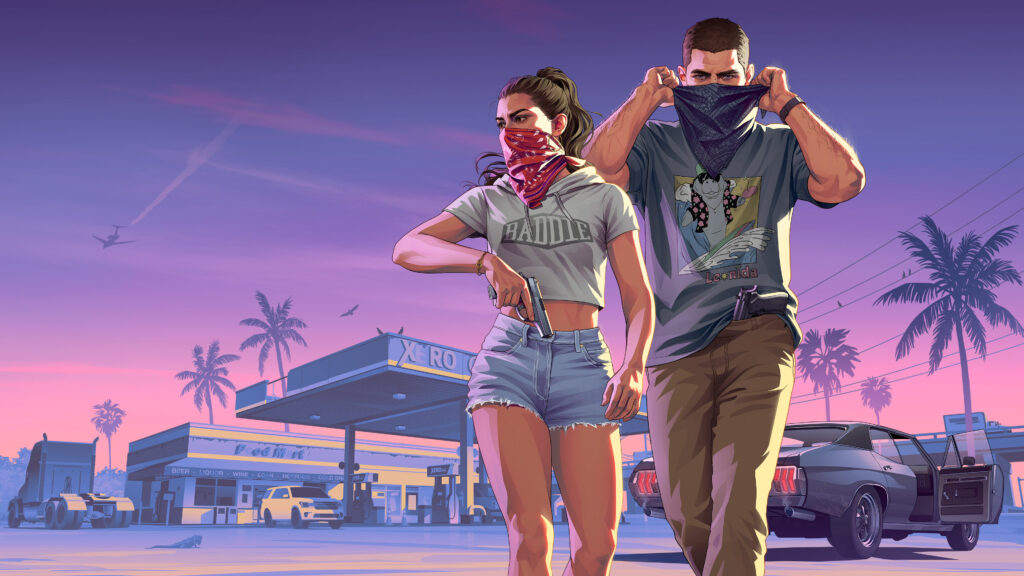
“GTA Flu”: What Happens to Work and Everyday Life?
Stories are already appearing in public about people planning to use their annual leave to play GTA VI right after its release.
This will almost certainly produce jokes (with a grain of truth) about sudden sick leave and falling productivity. However, sensationalist estimates of billions lost due to the “GTA flu” should be used with caution, especially when no clear methodology or original study can be found.
The much more interesting question is not exactly how many people will be absent from work, but what can be considered a legitimate use of free time.
If an employee uses approved annual leave for a trip, a concert, a family event or some other private reason, their decision is usually not questioned. When they want to spend a day off with a game, part of society may see it as immaturity.
But perhaps annual leave is not (and should not be) a reward for a socially acceptable hobby. Once leave is approved, the employee uses that time according to their own needs and financial means, while respecting legal and organizational rules. This, of course, does not mean that the employee unilaterally determines the timing: under the Serbian labor law framework, the employer decides on the timing of annual leave, after prior consultation with the employee.
On the other hand, leave should also be used for psychophysical recovery. Gaming can be a legitimate part of it, but multi-day gaming without enough sleep, movement and other forms of recovery can hardly meet all of the body’s needs. This comes from someone who was, and still is, a gamer. The era of the book and film “Ready Player One” (or the Japanese isekai concept) is not yet part of our reality.
Still, for companies, GTA VI is interesting as a small test of organizational maturity:
- can they plan and approve expected absences in advance;
- does the work depend on the constant availability of every individual;
- do they measure attendance or results;
- do employees have enough trust in the company to honestly ask for a day off?
If the absence of a few people brings down an entire process, perhaps the problem is not their love of video games but a system that lacks sufficiently distributed knowledge and capacity. Of course, we are primarily talking about companies with a large number of employees.
Still, it is unlikely that GTA VI will cause a long-term productivity crisis. A short-lived effect in certain companies and demographic groups is more realistic to expect.
Its significance is more symbolic: it shows how a digital cultural event can become an important part of the real schedule of life.
Cybersecurity: When Popularity Becomes Bait
Huge attention attracts not only fans and companies. It also attracts scammers.
The more anticipated a product is, the easier it is to lure people with offers such as:
- fake early access to the game;
- non-existent beta versions;
- free keys;
- pirated “pre-release” files;
- fake giveaways;
- phishing pages.
This impact will not change the cybersecurity industry, but it may already represent a seasonal risk. Companies dealing with user protection, payments, social media and digital distribution will have to monitor the ways in which the GTA VI name is abused.
The broader significance is simple:
In the attention economy, every big wave of interest also creates a parallel market for manipulation.
Popularity is no longer just a marketing advantage.
It is also a security vulnerability.
What GTA VI Probably Won’t Do
A serious analysis should not just list possible consequences. It must also set limits on its own claims.
GTA VI probably won’t:
- permanently halt the productivity of major economies;
- single-handedly change the global fashion industry;
- automatically cause a tourism boom in Miami;
- turn every song in the game into a global hit;
- “destroy” every game released around the same time (okay, there is still a risk of this one);
- enable every creator to build a successful career;
- change all the industries mentioned just because it attracts enormous attention.
Some consequences will be large but short-lived. Others will be less visible but may last for years. Some predictions will not come true.
That is why, when assessing impact, it is important to remember that the size of an event must not automatically be equated with the size of lasting change.

So Why Is GTA VI So Important?
Not because it will necessarily revolutionize every industry mentioned alongside it.
It is important because it shows, in one place, several broader changes in the modern world.
Industries are no longer clearly separated. A single product can simultaneously be a game, a technology test, a media event, a music channel, a marketing platform and a social space.
Attention has become economic infrastructure. Where mass attention goes, content, advertising, investment, scams, products and monetization attempts follow.
Digital experience influences physical behavior. A virtual city can increase interest in a real destination. Digital clothing can inspire physical style. A car that doesn’t exist can shape taste for cars that do.
The audience is no longer just a buyer. It comments, promotes, records, performs, remixes, analyzes and extends a product’s life for years.
One product can change the decisions of an entire ecosystem. Competitors, investors, media, platforms, tourism organizations and marketers don’t have to take part in its production to have to take it into account.
That is perhaps GTA VI’s greatest significance.
Not just the world Rockstar will build inside the game, but everything that virtual world will set in motion outside it.
From buying consoles and listening to music, through tourism campaigns and creative careers, to business calendars and the way people allocate their free time.
GTA VI may not change the world.
But it will show us very clearly how much the real world has already begun adapting to what is being created in the virtual one.
Selected References
- Rockstar Games – Grand Theft Auto VI, official page
- YouTube – GTA VI trailer launch sets new 24-hour record
- Netflix Tudum – Grand Theft Auto VI: An Extended Look
- Take-Two – results for the first quarter of fiscal 2027
- Reuters – publishers’ reactions to the GTA VI delay
- Rockstar Games – Cfx.re joins Rockstar Games
- Rockstar Games – Music from GTA Online: The Contract by Dr. Dre
- Rockstar Games – Civilist and MISBHV in GTA Online
- Axios Miami – possible collaboration between Miami-Dade County and Rockstar
- Study – the impact of GTA V on the representation of Los Angeles as a tourist destination
- Dubois, Griffin, Gibbs and Guttentag – The Impact of Video Games on Destination Image, Current Issues in Tourism
- Labour Law of the Republic of Serbia
- Miami Beach’s ‘Grand Theft Auto’ marketing deal sparks debate
- Miami Beach approves multi-million-dollar GTA VI marketing agreement
- Vice City rises on the Miami waterfront with the county’s blessing. Good or gasp?